
The Unprecedented Fury of Hurricane Melissa: A 2025 Catastrophe
Meteorological Monster: The Rise of Hurricane Melissa
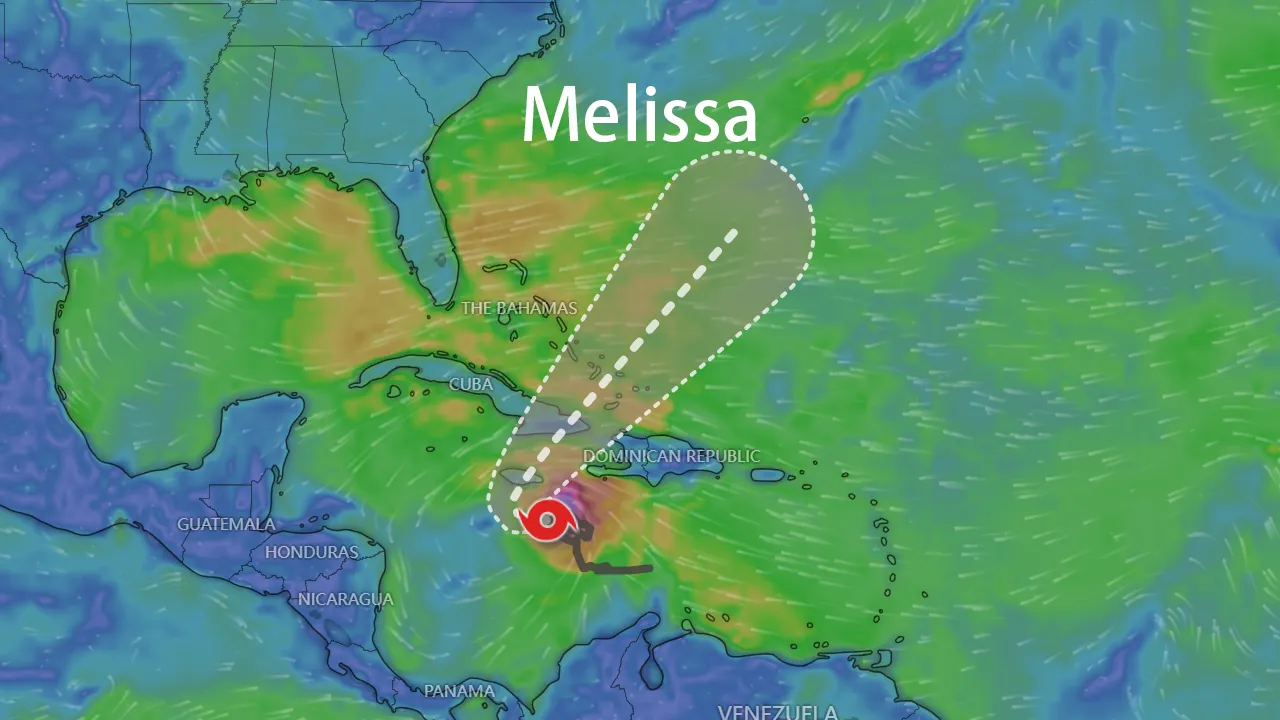
In late October 2025, the Caribbean witnessed the birth of a meteorological phenomenon that would rewrite record books. Hurricane Melissa began as a tropical wave off West Africa's coast, organizing into Tropical Depression Thirteen on October 21, 2025, in the southwestern Caribbean Sea. Within hours, it strengthened into Tropical Storm Melissa, the thirteenth named storm of an active season. What followed was nothing short of extraordinary.
The development of Hurricane Melissa showcased nature's terrifying power. Fueled by sea surface temperatures approximately 2.5°F above normal, Hurricane Melissa underwent explosive intensification. Between October 25-26, this dangerous system transformed from a Category 1 hurricane into a Category 4 monster, with winds skyrocketing by 70 mph in just 24 hours. The unprecedented rapid intensification of Hurricane Melissa continued, reaching Category 5 status on October 27 with 160 mph winds.
Peak Intensity: Redefining Extreme Weather
The terrifying ascent of Hurricane Melissa reached its climax on October 28, 2025. Achieving sustained winds of 185 mph with a central pressure of 892 millibars, Hurricane Melissa secured its place in meteorological history. This placed Hurricane Melissa alongside the 1935 Labor Day Hurricane as the third-strongest Atlantic tropical cyclone ever recorded. The compact yet devastatingly powerful Hurricane Melissa featured an unusually small eye measuring just 11.5 miles wide.
The extraordinary Hurricane Melissa didn't just break records—it shattered them. Hurricane Melissa became the strongest tropical cyclone worldwide in 2025, earning the grim title of "global wind king." Hurricane hunters recorded a staggering 252 mph wind gust within Hurricane Melissa's eyewall, the highest dropsonde-measured gust in history. The intensity displayed by Hurricane Melissa represented a terrifying new benchmark for Atlantic hurricanes.
Catastrophic Caribbean Impact: Trail of Destruction
Jamaica's Nightmare
On October 28, Hurricane Melissa made landfall near New Hope, Jamaica, at peak intensity. The direct hit from Hurricane Melissa represented Jamaica's worst natural disaster in living memory. The slow-moving Hurricane Melissa, crawling at just 3 mph, prolonged exposure to catastrophic conditions. Hurricane Melissa's fury tore roofs from approximately 120,000 structures and caused near-total destruction in western parishes like Westmoreland and Saint Elizabeth.
The human toll from Hurricane Melissa in Jamaica was devastating, with 48 confirmed deaths and 109 injuries. The economic impact of Hurricane Melissa reached catastrophic proportions, with losses estimated between $6-7 billion—approximately 30% of Jamaica's GDP. Agriculture suffered particularly severe damage, with Hurricane Melissa destroying crops valued at $29.5 billion. The aftermath of Hurricane Melissa left 2.3 million Jamaicans affected, with thousands displaced and critical infrastructure in ruins.
Regional Ravages
Beyond Jamaica, Hurricane Melissa unleashed destruction across the Caribbean. Haiti experienced tragic consequences from Hurricane Melissa's outer bands, with flash floods and landslides claiming 43 lives. In Cuba, despite massive evacuations of 735,000 people, Hurricane Melissa caused widespread damage to 992,000 homes and resulted in one fatality. The Dominican Republic reported four deaths from Hurricane Melissa-induced flooding and road collapses.
The cumulative regional impact of Hurricane Melissa was staggering: over 96 fatalities, 141 injuries, and economic damages reaching $48-52 billion. Hurricane Melissa demonstrated how a single weather system could cripple multiple nations simultaneously, overwhelming regional response capabilities.
Climate Change Connection: Scientific Revelations
The unprecedented intensity of Hurricane Melissa wasn't random misfortune. World Weather Attribution analysis revealed that climate change significantly amplified Hurricane Melissa's destructive potential. Human-induced warming increased Hurricane Melissa's peak winds by approximately 7% and boosted rainfall intensity by 16%. The research concluded that climate change made Hurricane Melissa's extreme intensification 500-900 times more likely.
The warmer oceans that supercharged Hurricane Melissa represent a troubling new normal. The environmental conditions that fueled Hurricane Melissa's rapid intensification are now six times more likely in our current climate compared to pre-industrial times. This scientific evidence positions Hurricane Melissa as a harbinger of future climate-driven superstorms.
Response and Recovery: International Mobilization
The scale of destruction from Hurricane Melissa triggered one of the largest international relief efforts in Caribbean history. The United States provided $24 million in immediate aid, while the UN launched a $74 million appeal specifically for Cuba's recovery. Private sector contributions supplemented government efforts, with Disney and American Airlines each donating $1 million toward Hurricane Melissa relief.
Jamaica's disaster risk financing strategy proved prescient, with a $150 million parametric catastrophe bond triggered by Hurricane Melissa's intensity. While this provided crucial immediate liquidity, the gap between insurance payouts and actual losses highlighted the inadequacy of current financial instruments against climate-enhanced disasters. The recovery from Hurricane Melissa will require years of sustained international support and climate-resilient rebuilding.
Legacy and Lessons: Rethinking Hurricane Preparedness
Hurricane Melissa represents a watershed moment in how we understand extreme weather in a warming world. The storm demonstrated that existing infrastructure standards and preparedness plans are inadequate for climate-supercharged hurricanes. Building codes must be revised to withstand the wind speeds and flooding witnessed during Hurricane Melissa.
The meteorological behavior of Hurricane Melissa—its rapid intensification, slow movement, and record-breaking intensity—provides a template for future climate-driven storms. Hurricane Melissa underscores the urgent need for enhanced early warning systems, climate-resilient infrastructure, and innovative financial instruments to protect vulnerable nations.
As reconstruction continues across the Caribbean, Hurricane Melissa serves as a sobering reminder of our climate reality. The name "Melissa" will likely be retired, but the lessons from this catastrophic storm must inform our approach to hurricane preparedness, climate adaptation, and international cooperation for decades to come.