
Typhoon Kalmaegi: The Catastrophic Storm That Shook Southeast Asia in 2025
In the annals of tropical cyclones, Typhoon Kalmaegi stands out as a harrowing reminder of nature's fury. Known locally as Typhoon Tino in the Philippines, this devastating storm carved a path of destruction across Southeast Asia in early November 2025, leaving communities in ruins and sparking urgent conversations about climate resilience. As the 25th named storm and 12th typhoon of the 2025 Pacific typhoon season, Typhoon Kalmaegi emerged from humble beginnings but rapidly evolved into a Category 3-equivalent powerhouse, fueled by abnormally warm ocean waters. The story of Typhoon Kalmaegi is not just one of meteorological phenomena but of human suffering, heroic responses, and the stark realities of a warming planet.
The Birth and Meteoric Rise of a Monster
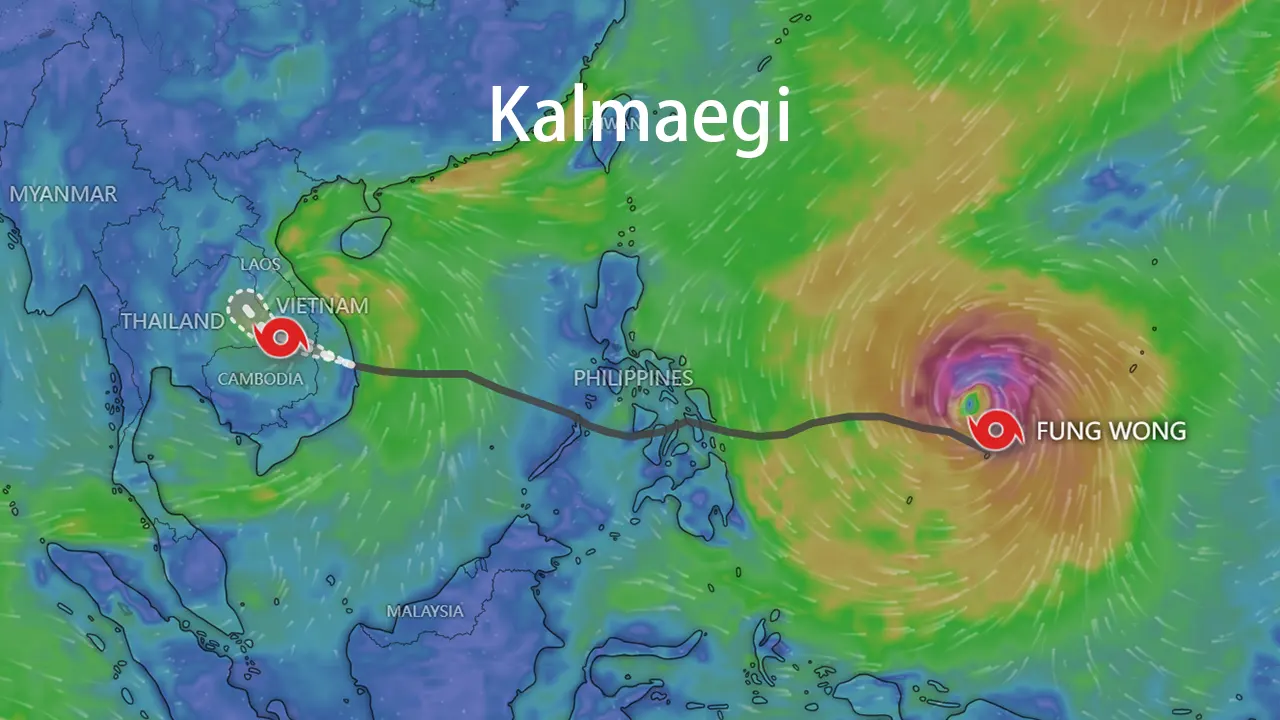
Typhoon Kalmaegi began as a mere area of convection east-southeast of Yap on October 30, 2025. Within days, it transformed into a full-blown tropical depression, thanks to low wind shear and sea surface temperatures hovering around 29–30°C. By November 1, the Japan Meteorological Agency (JMA) named it Kalmaegi, and as it entered the Philippine Area of Responsibility, it was dubbed Tino. What followed was a textbook case of rapid intensification; Typhoon Kalmaegi surged from a tropical storm to a typhoon in just over 24 hours, peaking with winds of 205 km/h (125 mph) and a central pressure of 935 hPa. This ferocious Typhoon Kalmaegi made multiple landfalls in the Philippines, including Silago, Southern Leyte, and Cebu, before sweeping across the South China Sea to strike Vietnam with relentless force. The journey of Typhoon Kalmaegi was marked by its unpredictability and raw power, challenging forecasters and communities alike.
Unleashing Havoc: The Human and Economic Toll
The impact of Typhoon Kalmaegi was nothing short of catastrophic. In the Philippines, the storm unleashed "unprecedented" urban flooding, particularly in Cebu, where half the city was submerged under torrential rains that exceeded 180 mm in some areas. Rivers swelled in minutes, sweeping away homes, cars, and even shipping containers. The death toll climbed to over 232, with hundreds more injured or missing, making Typhoon Kalmaegi one of the deadliest storms of the year globally. Over 3.5 million people were affected, with 562,000 displaced and thousands of homes destroyed. The economic losses in the Philippines alone topped $6.86 million, crippling agriculture and infrastructure.
Vietnam faced a different kind of devastation from Typhoon Kalmaegi. While proactive evacuations and the "four on-the-spot" principle kept fatalities low (around 6 deaths), the storm inflicted massive infrastructure damage, estimated at $311.3 million. Power outages affected 1.6 million households, and thousands of homes were damaged or collapsed. The remnants of Typhoon Kalmaegi even reached Thailand, causing flooding that killed 13 and affected 470,000 people. Overall, Typhoon Kalmaegi claimed over 251 lives, injured 552, and caused economic damages exceeding $318 million, highlighting its broad and brutal reach.
Heroes and Heartbreak: The Response to Typhoon Kalmaegi
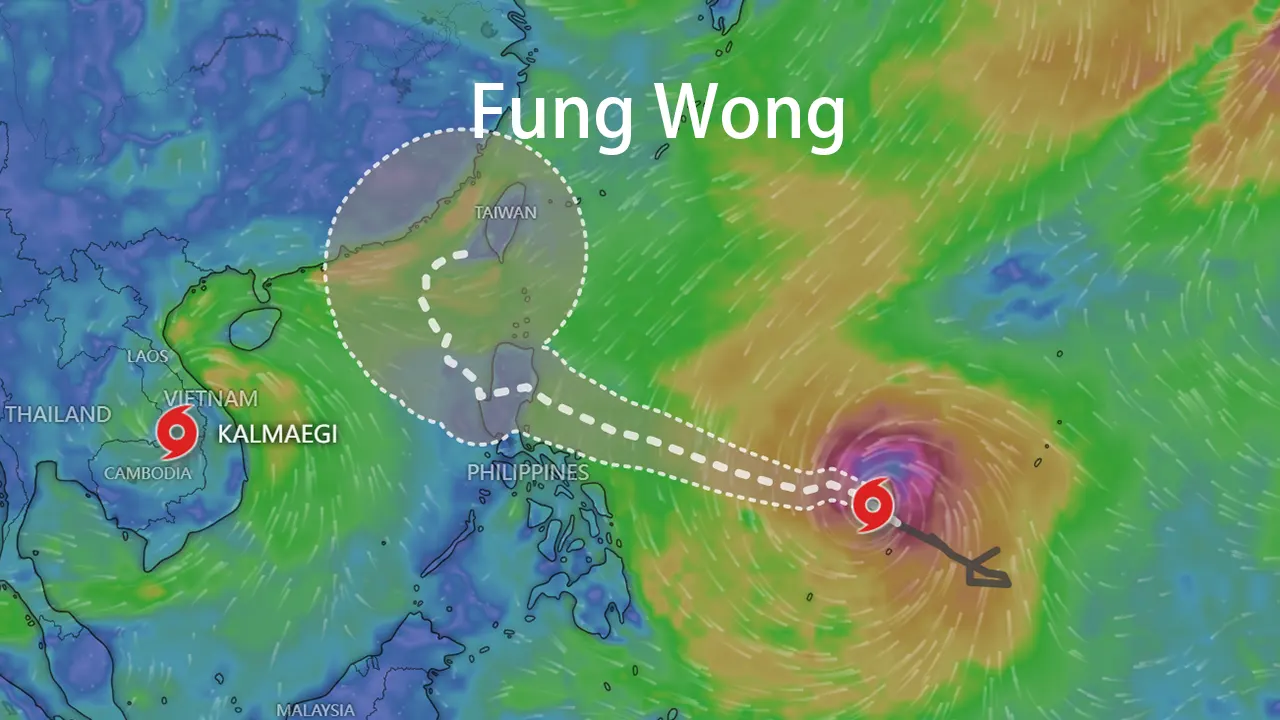
In the aftermath of Typhoon Kalmaegi, a wave of humanitarian efforts emerged. The Philippines declared a state of calamity, with President Ferdinand Marcos Jr. mobilizing national resources and international aid, including $1 million from the U.S. for shelter and water supplies. Local groups like the Philippine Red Cross worked tirelessly, providing rescue operations and psychosocial support. In Vietnam, the government deployed 268,000 soldiers to clear debris and restore essential services. Despite these efforts, the response was hampered by the rapid succession of storms, including Super Typhoon Fung-wong, which forced the suspension of search operations for missing persons. The resilience of communities affected by Typhoon Kalmaegi was tested to the limit, yet stories of solidarity—such as churches sheltering over 7,300 people—offered glimmers of hope amid the chaos.
Climate Change and the Future of Storms Like Kalmaegi
Typhoon Kalmaegi serves as a stark example of how climate change amplifies tropical cyclones. Scientists directly linked its rapid intensification to human-induced global warming, which has elevated sea surface temperatures in the Pacific. This Typhoon Kalmaegi event underscores the urgent need for climate adaptation, including upgraded flood defenses in urban areas and robust early warning systems. As international climate negotiations continue, the legacy of Typhoon Kalmaegi reminds us that without decisive action, such disasters will become more frequent and severe. The storm not only exposed systemic vulnerabilities but also catalyzed calls for long-term climate financing and multi-hazard risk management.
Conclusion: Learning from the Wrath of Kalmaegi
The saga of Typhoon Kalmaegi is a poignant chapter in the story of our changing climate. From its explosive development to its tragic aftermath, this storm illustrates the interconnectedness of meteorology, society, and environment. As we reflect on the lessons of Typhoon Kalmaegi, it is clear that building resilience requires global cooperation, community empowerment, and a commitment to sustainable development. The memory of Typhoon Kalmaegi will endure as a call to action—for stronger infrastructure, smarter policies, and a deeper empathy for those on the front lines of climate-related disasters.